Over-ear headphones
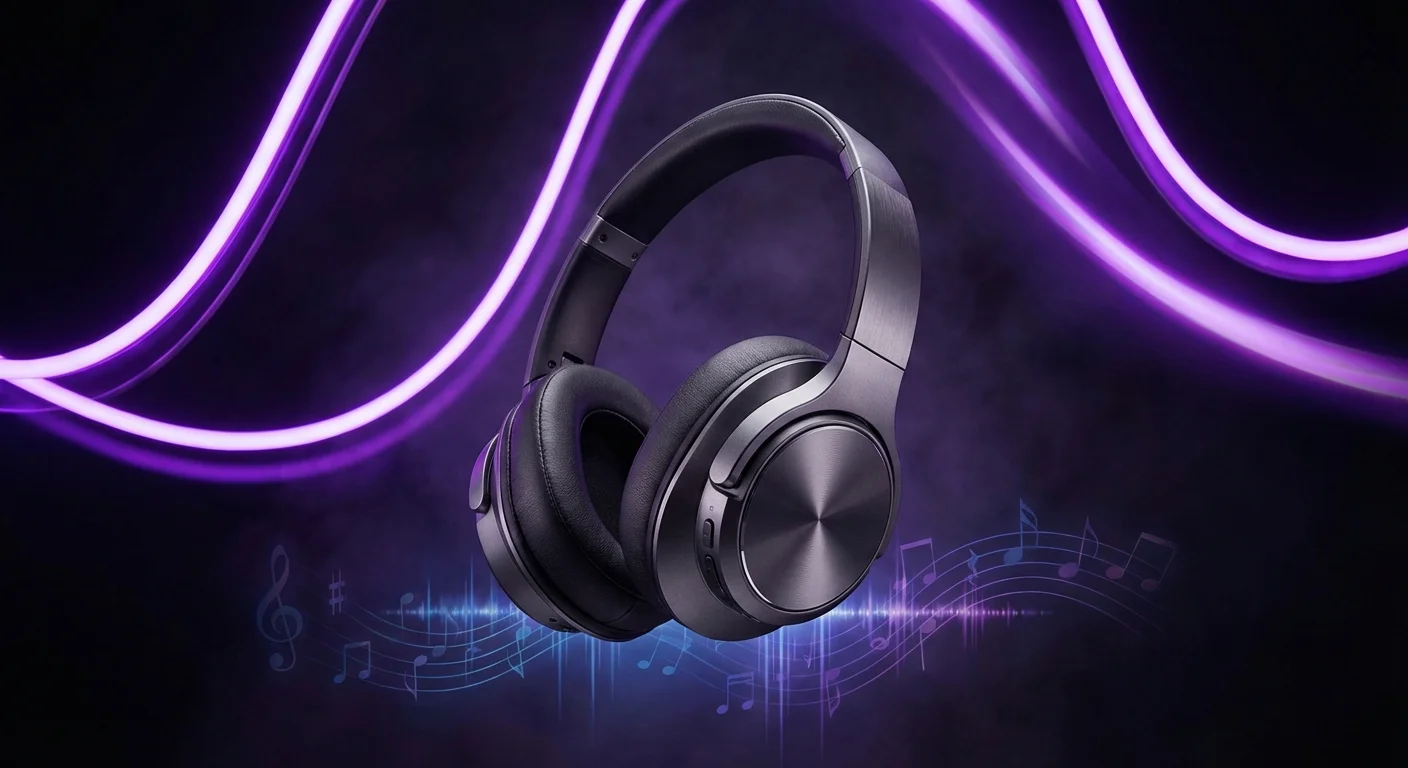
Comfort before specifications
An over-ear cup should surround the ear without pressing its outer edge against a hard seam. Glasses, hair and head movement can change the seal. Try a normal listening posture rather than holding the head still for a brief shop demonstration. Weight alone cannot predict comfort: headband pressure and pad shape matter too.
Closed or open
A closed cup reduces some sound leakage and can provide passive isolation. An open design lets more sound pass in both directions, so it is usually a poor match for a shared desk or public transport. Neither construction guarantees a particular sound signature. Compare at a similar, comfortable playback level instead of mistaking extra volume for detail.
Noise control in real use
Active noise cancellation works best on some steady low-frequency sounds; voices and sudden events can remain audible. Transparency modes vary and are not hearing protection. Check whether the headphones still play through a cable when the battery is empty, whether pads can be replaced, and which controls remain available without an app.
References and checks
For supported features, consult the exact product manual. For technical terms see Bluetooth SIG audio guidance. For exposure and listening habits see WHO safe listening.